
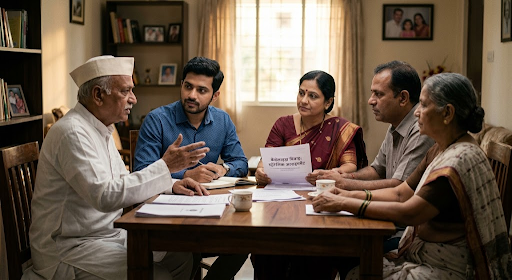
- In the changing landscape of Marathi marital traditions, the concept of Vivaah is no longer limited to traditional matchmaking based on family networks and societal expectations.
- People today seek deeper compatibility—emotional, intellectual, cultural, and aspirational.
- Peer prejudice, or the subtle but powerful effect of friends, relatives, and social circles on marriage decisions, is a substantial impediment to reaching this alignment.
- Catalyzing strategic alignment in Vivaah necessitates a deliberate effort to reduce these biases and favor genuine compatibility.
- Understanding Strategic Alignment for Vivaah Strategic alignment in marriage refers to the compatibility of two people in terms of life objectives, values, communication styles, and expectations.
In the changing landscape of Marathi marital traditions, the concept of Vivaah is no longer limited to traditional matchmaking based on family networks and societal expectations. People today seek deeper compatibility—emotional, intellectual, cultural, and aspirational. Peer prejudice, or the subtle but powerful effect of friends, relatives, and social circles on marriage decisions, is a substantial impediment to reaching this alignment. Catalyzing strategic alignment in Vivaah necessitates a deliberate effort to reduce these biases and favor genuine compatibility.
Understanding Strategic Alignment for Vivaah
Strategic alignment in marriage refers to the compatibility of two people in terms of life objectives, values, communication styles, and expectations. In Marathi culture, where family engagement is highly ingrained, alignment frequently extends beyond the marriage and includes familial compatibility. While this can be beneficial, it can also dilute the individual voices of the prospective bride and husband.
To achieve true alignment, people must first engage in self-reflection. What is their long-term goal? What values are not negotiable? What kind of lifestyle do they envision? Answering these questions individually guarantees that decisions are based on personal clarity rather than external influences.
Impact of Peer Bias
Peer bias presents itself in a variety of ways, including unwanted counsel, comparisons with other people’s marriages, and pressure to conform to social norms. In Marathi communities, preferences may be based on caste, career, or family status. While such inputs may be motivated by concern, they frequently overshadow the most important requirement: two people’s compatibility.
This tendency might result in compromised decisions, when people favor approval over sincerity. Over time, this imbalance may cause dissatisfaction or conflict in the marriage.
Strategies to Reduce Peer Bias.
- Establish Clear Personal Criteria: Before involving others, determine what is genuinely important in a life partner. This lowers sensitivity to outside opinions.
- Limit information overload. Sharing every detail with many people leads to diverse—and frequently conflicting—opinions. Be cautious about who you consult.
- Encourage direct communication. The prospective pair should have meaningful discussions about expectations, values, and future aspirations. This promotes clarity and trust.
- Use structured matchmaking tools: Modern marital platforms provide compatibility assessments based on personality and ideals rather than superficial factors.
- Involve Family Constructively: Rather than enabling families to control decisions, position them as supportive facilitators who value the couple’s independence.
Cultural sensitivity combined with modern insight
A Marathi matrimony blog must strike a balance between tradition and modernity. Respect for elders and cultural norms must coexist with the individual’s right to pick a compatible partner. Highlighting real-life success stories in which couples prioritized alignment over societal pressure can encourage readers to take a similar approach.
Catalyzing Vivaah strategic alignment without peer prejudice entails refining tradition rather than abandoning it entirely. Individuals can strengthen and satisfy their marriage relationships by focusing their decisions on real compatibility and attentive self-awareness. In the Marathi marital context, this shift signifies a progressive yet respectful growth in which the essence of Vivaah remains sacrosanct while the way to it becomes more conscious and objective.